The Schnauzer
A dog breed of wit and wisdom
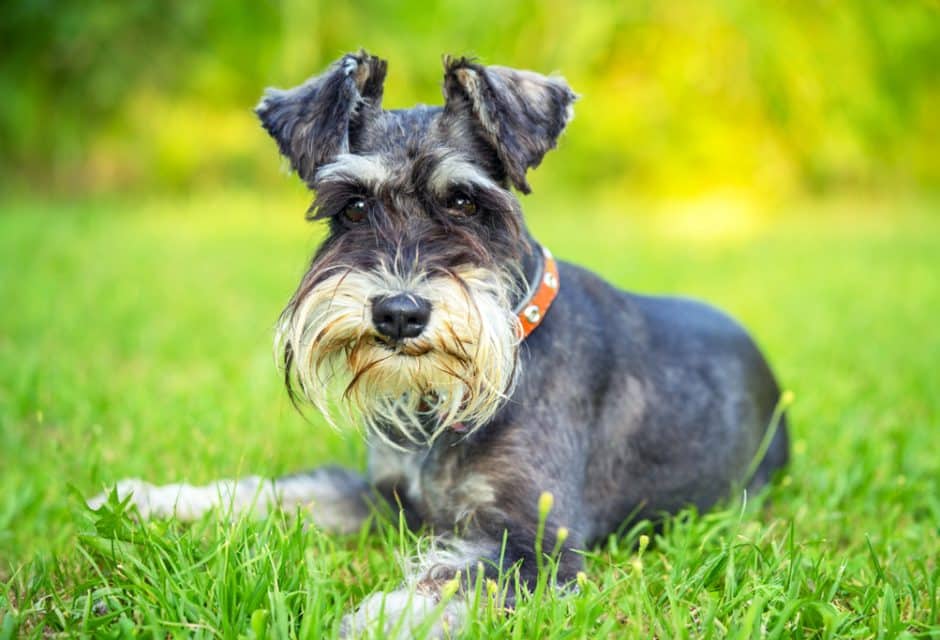
Look into the face of a Schnauzer and it’s not hard to see him as the Dumbledore of dogdom. The arched, fringing brows, the profuse, bristling beard, and the gleam of deep intelligence and, yes, humour in those dark eyes, make it easy to imagine a Schnauzer passing on sage advice to Hairy Potter, sharing a joke with his young protégé, or teaching a class in Defence Against the Bark Arts.
But are they truly wizards or just really, really smart? After all, this is the breed that their owners like to call “the dog with the human brain.”
Barbara M. Dille, author of Standard Schnauzer, writes: “This sometimes mischievous, quick and active dog is…a sensible, honest and reliable working dog with a superbly intelligent mind.”
When you consider the impressive variety of roles the Schnauzer has filled, it seems this breed must have talents beyond those of the average canine. Developed in Germany over 500 years ago as a guardian to accompany tradesmen and farmers taking their goods to market, the versatile Schnauzer has also served as rat-catcher, military messenger, cattle drover, and companion, as well as assisting the physically challenged and hearing impaired, and acting as a police, security, and search and rescue dog.
cynoclub/Bigstock
Of course, this list of accomplishments must be shared among the three varieties of bewhiskered overachievers. Let’s see now…the Sorting Hat says…courageous, strong, and protective…you must be a Giant Schnauzer. Hmm…loyal, very clever, and reliable, too…you belong in the Standard House. And you, my tenacious yet companionable little fellow, definitely a Miniature.
Breed experts agree that one characteristic shared by all Schnauzers is self-confidence. Although they should not seek out a quarrel, these dogs don’t back down from a confrontation. Related to this, perhaps, is a bit of a stubborn streak; they know best and aren’t about to do something your way just because you say so. When this personality is paired with the size and strength of a Giant Schnauzer, some people find that the Giant is just too much dog for them to handle; some breeders will not sell Giants to inexperienced owners.
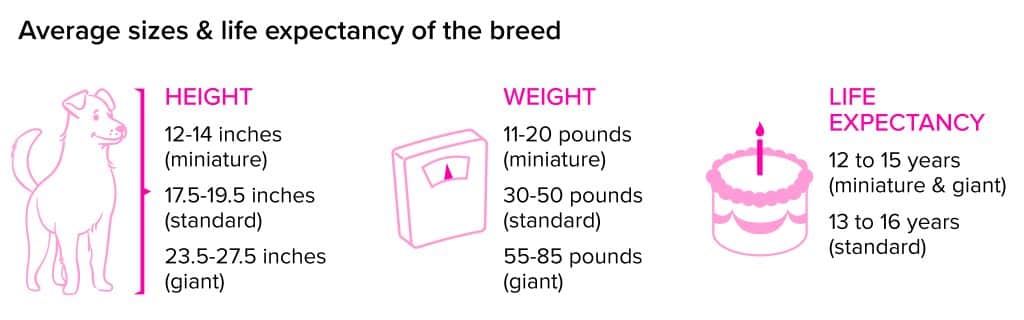
While the Miniature is now unquestionably the best known of the varieties, ranking in the top ten in popularity among American Kennel Club (AKC) registered breeds, and even the Giant tops the Standard (at 83rd in popularity versus the Standard at 99th), the medium-sized Schnauzer is actually the original from which the larger and smaller varieties were developed. The Standard Schnauzer, which appears in artworks from around 1600 by Albrecht Durer and Lucas Cranach, is between 17 and 20 inches in height. The German word schnauze means “muzzle;” a reference to the facial furnishings that distinguish this breed.
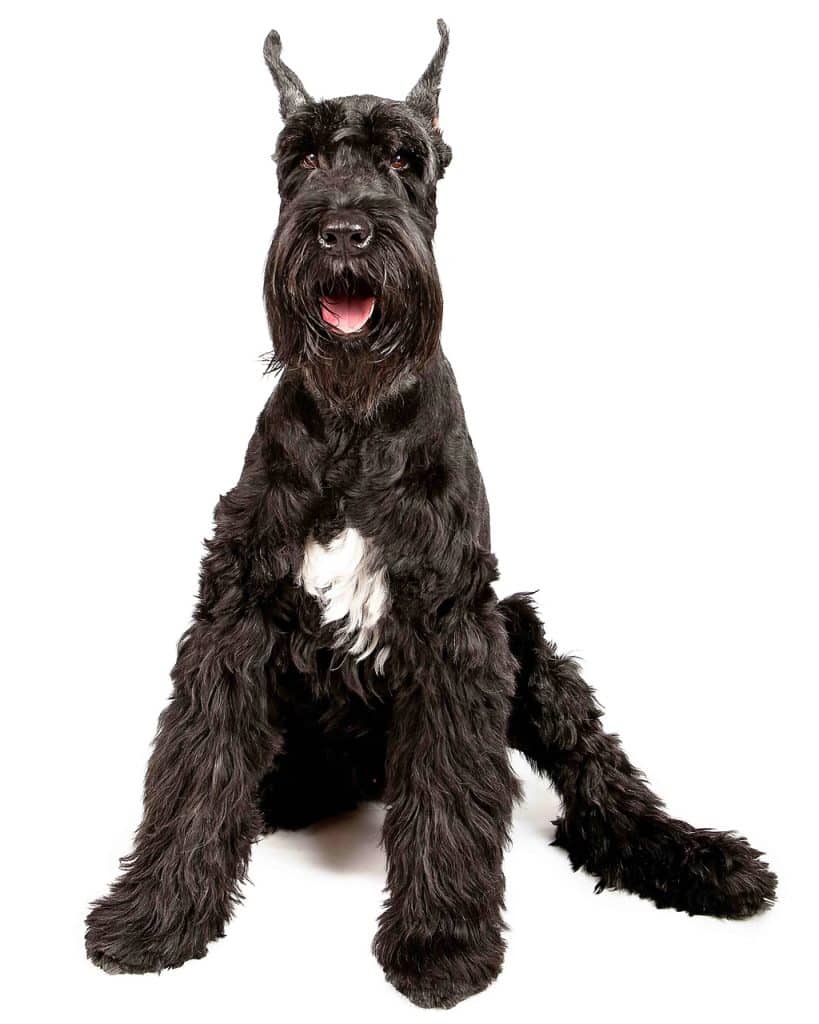
When farmers wanted a bigger dog to drive and guard cattle, they crossed the hardy and dependable Schnauzer with Great Danes and Bouvier de Flandres to create the majestic Giant Schnauzer. At 23 to 28 inches, the Giant makes a formidable protector and is widely used today in Europe for security and police work. Both the Giant and the Standard Schnauzer are rightly classed in the Working Group in the U.S. The Miniature (12 to 14 inches), which was probably bred from small Standards and Affenpinschers as a ratter and house dog, is placed in the Terrier Group.
srichey/Bigstock
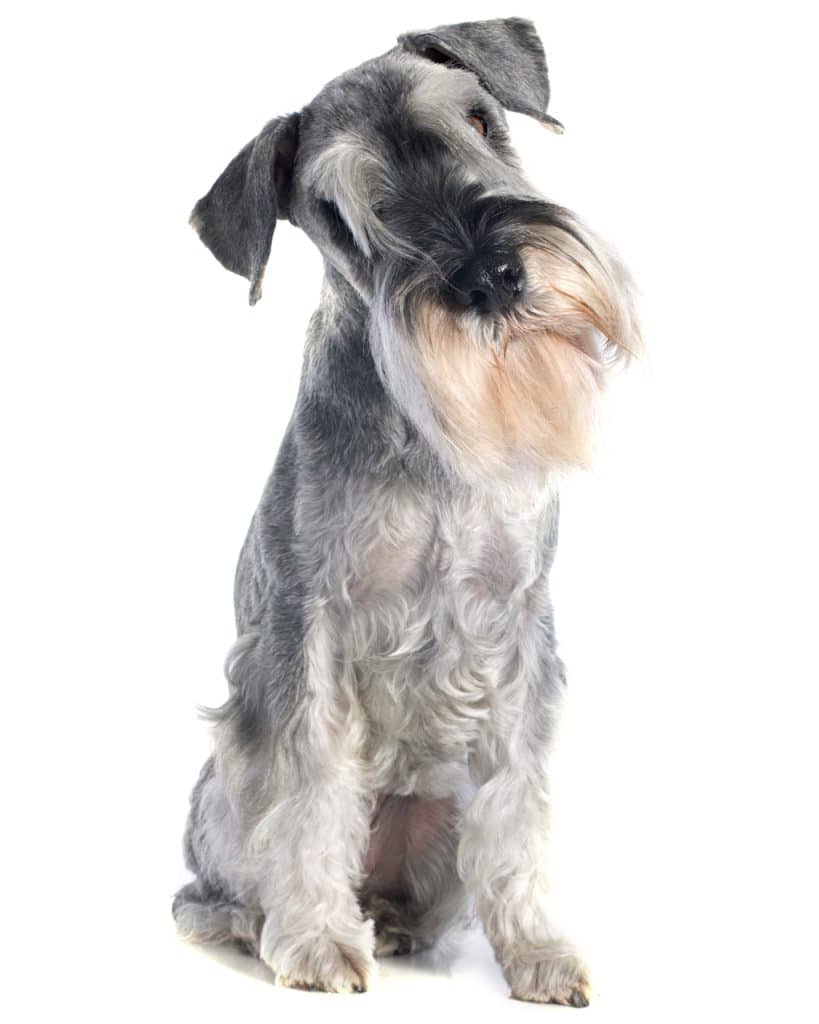
All three varieties come in solid black or pepper-and-salt colour, and the Miniature may also be black and silver. Although solid white Minis are accepted in Germany, they are disqualified under AKC rules.
The proper coat is harsh and wiry and must be tediously “hand-stripped” rather than machine clipped if it is to remain that way; most owners opt for the easier care and accept that their dogs’ coats will become gradually softer over time. With trips to the groomer every six weeks or so and constant washing, combing, and trimming of the facial hair to avoid the dreaded “food face,” the Schnauzer is not a low-maintenance breed.
North American Schnauzers usually feature cropped ears and docked tails; however, in many other parts of the world, canine cosmetic surgery is now discouraged or banned completely and Schnauzers and other breeds are now being seen with natural tails and ears.
In general, Giants and Standards should be sturdy and free of health problems. The incidence of hip dysplasia, which was once a major concern, has been brought under control by responsible owners through testing and selective breeding. The Mini, however, is susceptible to congenital juvenile cataracts (CJC) and progressive retinal atrophy (PRA), both inherited eye diseases, as well as to urinary tract infections and pancreatitis. If you are considering making a Mini part of your life, you should research the health concerns associated with this breed and discuss potential problems with the breeder.
Whichever size of Schnauzer fits your lifestyle, if you choose this intelligent and personable breed for your own, you are bound to join the ranks of those who insist these dogs have special abilities that seem almost supercanine.
Case in point: “George” aka Ch. Tailgates George Vonpickle; Standard Schnauzer, retired police bomb squad dog, and now a certified Physicians Assisting Canine. George was the first dog trained to detect skin cancer through his acute sense of smell and his accuracy record in identifying melanomas is almost 100 percent.
Now that’s magic!
» Read Your Breed For more breed profiles, go to moderndogmagazine.com/breeds
Join the newsletter and never miss out on dog content again!
"*" indicates required fields
By clicking the arrow, you agree to our web Terms of Use and Privacy & Cookie Policy. Easy unsubscribe links are provided in every email.