The Australian Shepherd
The best cow dog in the West
If you greet an Australian Shepherd dog with “G’day, mate,” don’t be surprised if he simply cocks an intelligent eye at you and doesn’t answer. After all, members of this breed must be heartily sick by now of being mistaken for dogs from Down Under. Instead, try a drawled “Howdy, pardner,” and you might be welcomed with some Western-style neighbourliness from Ol’ Bob-tail, the dog who helped tame the frontier.
Like famed actor and Australian Shepherd owner Mel Gibson, who is commonly seen as Australian but was actually born in the United States, the “Aussie” is not really Australian but a true-blue, stars-and-stripes American.
The breed appears in photographs of ranching life in the western United States dating back over a hundred years and was held in the highest regard by ranchers, sheepmen, and cowboys back in the days when a working dog was expected to run from morning to night through blistering heat or snowstorms, handle whatever type of ornery animal needed to be moved, and come back looking for more the next day. Whether that dog was called a Bob-tail, a Heeler, a Pastor Dog, or an Australian Shepherd, and whether it was purebred, cross-bred, or part kangaroo, the ranchers didn’t care as long as it did its job.
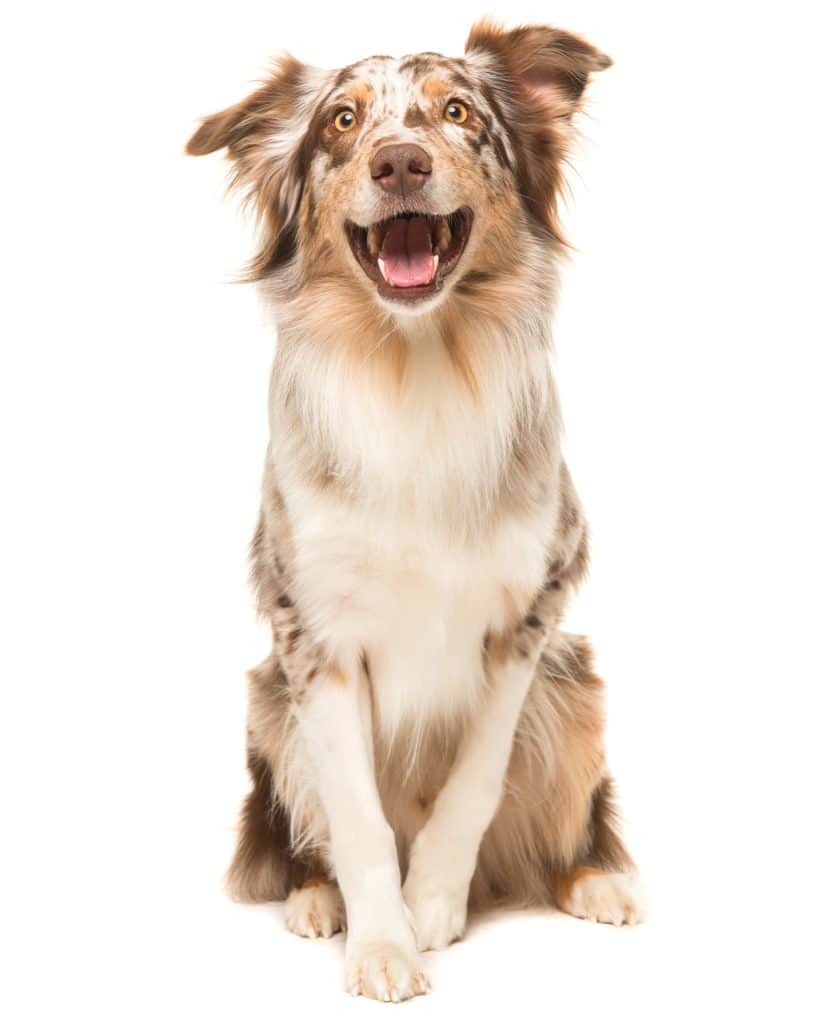
MirasWonderland/Bigstock
The dogs may have wound up with the “Aussie” tag because a number of shepherds came to the west coast of the United States from Australia in the mid-nineteenth century, some bringing their sheepdogs with them. These stockdogs, bred for station life in the Australian outback and better suited to the harsh conditions of ranching in Arizona, California, Wyoming, and other western states than were the farm dogs of the mid-and eastern states, probably contributed significantly to the bloodlines of what is now the Australian Shepherd.
In the 1950s and 60s, the breed moved into the spotlight when several talented Aussies became celebrities, performing amazing tricks at rodeos and other “Western” shows. Stub and Shorty, trained by Jay Sisler, were the most famous of these dog stars, eventually headlining in a couple of Disney movies, including one titled Stub: The Best Cowdog in the West.
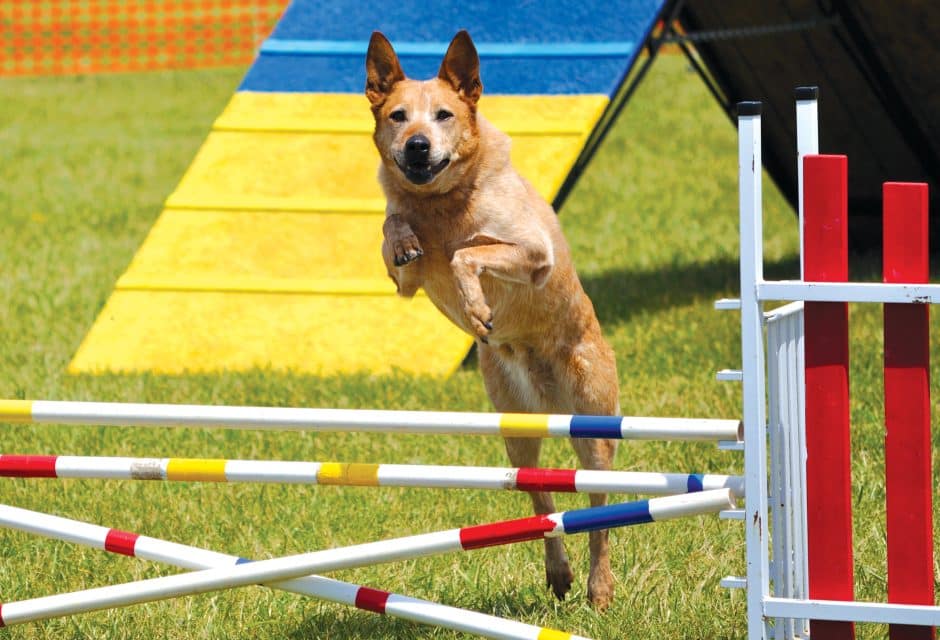
Today’s Australian Shepherd continues to demonstrate those traits of working sense, high intelligence, and physical ability, making it the breed of choice for many owners who are passionate about canine sports such as agility, herding trials, and obedience. At the same time, dog lovers who may be enthralled with the breed’s talents but who aren’t involved with such energetic activities should be cautioned that Aussies, like all dogs with a high working drive, must have vigorous daily exercise and mental stimulation or they can get into trouble. Couch potatoes who spend a lot of time away from home and hound should forget about owning an Aussie. Though devoted to their own human family, members of this breed can be a bit stand-offish with strangers at first and should be well socialized as youngsters.
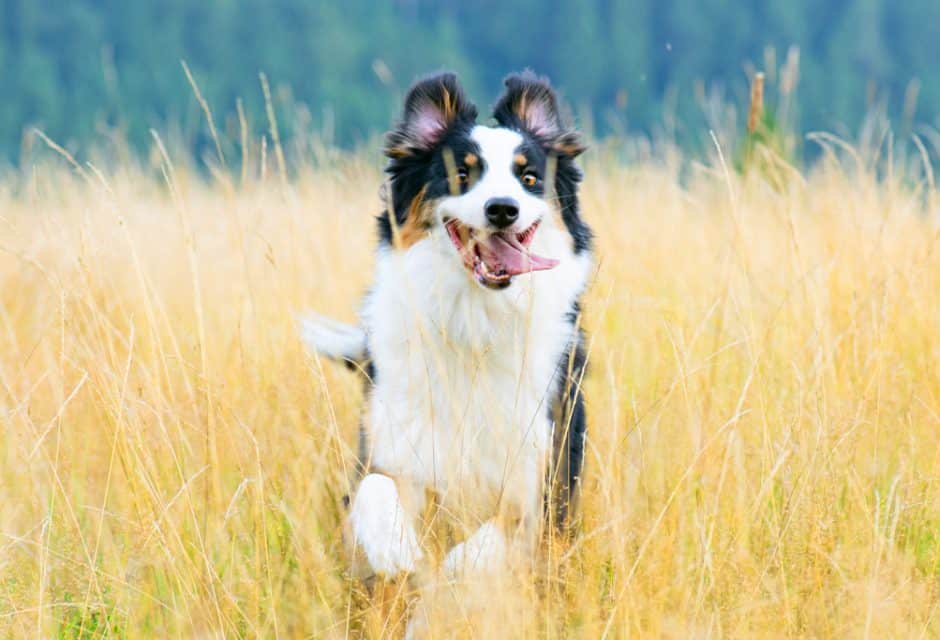
The Aussie’s coat is medium in length and comes in black, red, blue merle, and red merle. (“Merle” is dark patches against a lighter colour other than white.) All base colours may be set off by white markings on face, feet, and chest, and/or copper “points”—small patches of reddish-brown—in the same areas.
Excessive white markings, especially around the head, may be linked to hearing and eye defects and buyers should be extremely careful when considering a dog that is mostly white. Hereditary eye problems are the health area of most concern in this breed, with a significant incidence of collie eye anomaly (CEA), cataracts, and colobomas (open pits in the eye structures). Anyone searching for an Aussie puppy should ask questions of the breeder about her knowledge of these disorders and how she is working to eliminate them from her litters.
The Aussie may have a naturally short tail (“bob-tail”) or, in some countries where docking is allowed, the tail will be docked to about 4 inches in length.
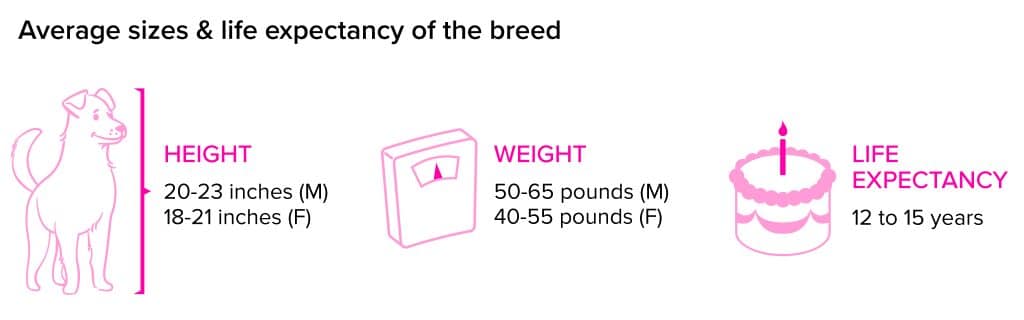
The traditional Australian Shepherd is medium-sized, about 18 to 23 inches tall. Fanciers have developed two smaller versions: the Miniature at 14 to 18 inches, and the 10- to 14-inch Toy. While neither of these downsized varieties are recognized by the American Kennel Club or by the parent breed clubs in the US or Canada, Mini and Toy Aussies are becoming popular with dog lovers who want the versatility and personality of this supreme working dog in a petite package.
Though the Australian Shepherd may have been born among prairie dogs and coyotes rather than koalas and cockatoos, its roots have become less important than its future as an international champion in a wide range of endeavours, from companionship to working shepherd dog.
And, as the laconic stockmen like to say at the conclusion of a job well done, “That’ll do.”
» Read Your Breed For more breed profiles, go to moderndogmagazine.com/breeds
Join the newsletter and never miss out on dog content again!
"*" indicates required fields
By clicking the arrow, you agree to our web Terms of Use and Privacy & Cookie Policy. Easy unsubscribe links are provided in every email.