The Raw Debate
What is the best food to feed domesticated dogs?
By Liz Pask and Laura Scott
People are very passionate when it comes to the subject of what they feed their dogs, and with good reason. A good diet can contribute to a long and healthy life and even psychological well-being for our pets. The question is, what is the best food to feed domesticated dogs? While the majority of people feed a commercial kibble or canned food, many owners today are looking for other options.
A raw food-based diet is one approach that has grown in popularity over the last decade, but along with this growing popularity has come growing controversy regarding the benefits of feeding a raw diet.
One of the reasons people cite for feeding a raw diet is that it is a more “natural” diet for dogs. The theory is that wild canids would eat a diet mainly consisting of raw meat and bones, so people should try and mimic this diet when feeding their pets. However, the pet dogs that live in our homes do not resemble their wild cousins. We have bred dogs to have a range in size from the tiny Papillon to the massive Neapolitan Mastiff, and a variety of builds from the light-framed Whippet to the bulky Bulldog. In addition, there are breeds like the Bedlington Terrier that are prone to specific nutrient deficiencies. With all of these physiological differences between our pets and wild canids, can we be certain that what a wild canid eats is indeed an ideal diet for Rover?
One of the biggest challenges in deciding whether to feed a raw diet is the overwhelming amount of conflicting information, and the fact that much of this information is anecdotal in nature. There are numerous websites and message boards extolling the virtues of a raw diet and there are others condemning raw diets as unsafe and unhealthy. When choosing how and what to feed your dog, you need balanced information—information that outlines both the good and bad so that an educated choice can be made.
Below, we outline the major benefits and concerns regarding raw diets to help you in deciding if a raw diet would be right for your dog. Keep in mind there are benefits and risks associated with all choices of food for your dog, so you must decide if the benefits of a raw diet outweigh the potential risks. When making the best choice for your dog, it’s important to remember that what is right for you and your dog may not be right for someone else and their dog. A raw diet may not be appropriate for all dogs and before you decide what is right for your dog, you should discuss your options with your veterinarian. Consulting a canine nutritionist can also be very beneficial when designing a diet specific to your dog’s requirements.
Types of Raw Diets
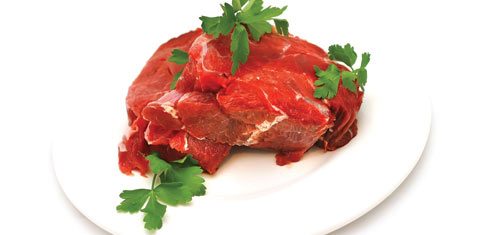
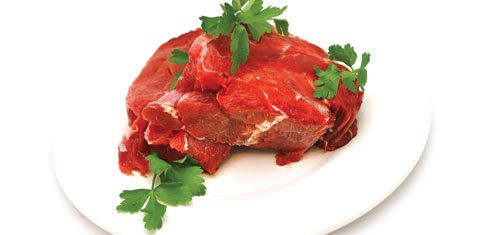
There are two major types of raw diets: commercial and home-prepared. Commercial raw diets, which may be fresh or frozen, supply all of the dog’s requirements and are typically in a meat patty form.
Home-prepared raw diets usually consist of raw meat and bones, with veggies, fruits, supplements, and added grains. These diets may not be balanced each day but, if designed properly, should meet the dog’s requirements over the long term.
The Benefits
Safety. Over the past couple of years, there have been a number of pet food recalls. When preparing your dog’s food at home, you have total control of what you include in your dog’s food and where those ingredients are from.
Health. Raw diets (especially home-made diets) allow you to meet your dog’s specific needs. Raw diets can be prepared to avoid foods that your dog is allergic to and can be made to meet your dog’s specific nutrient requirements. The high water content present in raw food may allow you to feed more while still keeping the calories low for portly pooches.
Processed foods often have added preservatives that enhance product shelf life. Food that has been freshly prepared and has not been processed or had preservatives added is commonly considered a healthier choice. Commercial raw diets are usually frozen, which means they don’t require added preservatives.
The bones that are part of the raw diet are anecdotally considered to be good for dental hygiene, which can be good for overall health.
Other. Feeding a raw diet may provide your dog with a natural outlet for her chewing tendencies; this may help to improve her overall behaviour.
The Risks
Safety. Raw diets have been found to contain Salmonella, Campylobacter, Escherichia coli O157:H7, Clostridium perfringens, Clostridium botulinium, and Staphylococcus aureus, all of which are known human and canine pathogens. These bacteria are shed in dog stools and may be transferred to carpets and furniture as the dog moves around the house. These pathogens usually only pose a serious human risk to the immuno-compromised, the elderly, and young children; however, this is a very important consideration if you are feeding a raw diet and have people in these risk groups living in your home.
In addition, there is a potential risk to dogs from certain pathogens found in raw foods, such as Neospora caninum, found in raw beef, Nanophyetus salmincola, found in raw salmon, and Trichinella spiralis, which is found in raw pork and wild game such as deer, elk, and moose. All of these pathogens can make your dog sick and are potentially fatal.
Feeding bones can cause choking, intestinal blockage or perforations, and chipped or broken teeth.
Health. Because it can be difficult and time consuming to adequately balance a raw diet, nutritional deficiencies, especially in vitamins and minerals, are a significant possibility. To complicate the matter even further, some nutritional deficiencies take many months to show up and you may not see the problems with feeding a particular diet until the animal has been eating it for months or years.
Raw vegetables are often poorly digested by dogs. Most of the nutrients in raw vegetables are rendered more available when they are lightly cooked and then ground.
Convenience. Feeding raw food is expensive and time consuming. The preparation of balanced meals for your dog every day can be a challenge to fit into a busy lifestyle. As a rule of thumb, if you are eating out more than three meals a week, you are likely too busy to properly prepare meals for your dog, so a home-made raw diet may not be the best choice for your life schedule.
Raw diets are particularly inconvenient if you travel frequently, whether your dog goes with you or stays behind. Many hotels are not equipped to deal with raw food storage, not all commercial brands are available everywhere, and some boarding facilities charge a premium for dogs on raw diets because of the space required for food storage.
***
Unfortunately, there is little scientific research on feeding raw foods. This means that some of the information provided here is based on anecdotal evidence and has not been proven at this time. Much of the existing research on raw diets surrounds the microbial risks of raw meats and is very important to take into consideration. Hopefully, future research into raw diets will allow you to make a more informed choice about what to feed your dog.
Laura Scott holds a Master’s degree in animal nutrition. She lives with two Golden Retrievers, a 12-year-old couch potato and 2-year-old who loves training and competing in dog sports. Liz Pask is a PhD candidate studying nutritional toxicology. She has two Labrador Retrievers who train and compete in a variety of sports.


This opinion though it says is giving the good and bad is clearly a bias opinion.
Yes, we have bred different breeds of in terms of size, coat colour, length, etc., but all dogs have the same basic digestive system... and my 5 lbs Chihuahua LOVES and thrives on his raw diet just as much as my 60 lbs Aussie!
As well, the reason there is not as much research into raw is there are no big-name companies paying to stick tubes in dogs and test it - I am perfectly happy with all the anecdotal evidence if it means dogs don't have to be tortured to know that what wolves thrive on in the wild has nearly saved my Chihuahua's life!
I was disappointed with the "debate". Why not have someone who is familiar with raw, like a holistic vet, write their point of view - then you really have a debate! Tsk, Tsk, Modern Dog!
No matter which diet you choose, do not expect it to contain the vital pet lipids, digestive enzymes, minerals or soil-based probiotic organisms that dogs need daily. Every diet needs to be supplemented. Vitality Science formulates supplements specifically for dogs
By all means, get your nutritional advice from a vet. They got two whole weeks of nutritional training in vet school, provided by the kibble companies! The vets have a vested interest in making sure your pets are not as healthy as they can be; annual vaccines, prescription foods that cost more than prepared raw foods, dental cleanings and emptying of anal sacs!
The primary protein in a raw diet is meat. They don't contain wheat glutens or other "proteins" nor preservatives, chemicals, colouring or flavouring. A raw diet doesn't just taste like meat, it is!
Did your writers look at the scientific evidence regarding the incidents of bacterial contamination of kibble? Much higher and more frequent than in raw food!
If you wanted a balanced story then one of the writers should have been a raw feeder. Its only when you see the difference a raw diet makes that you appreciate the benefits. You become the antecdotal evidence!
This article seems to really center on false-focused negatives. My dogs and cats eat pre-manufactured raw food diets purchased from my local holistic retailer’s freezer section. I supplement with enzymes and probiotics daily and my pets are truly thriving. I will never feed processed dry food diets again... This article doesn't focus on the fact that dogs are true carnivores (their digestive systems are not removed from wolf regardless of the ‘jacket’ they wear) and raw foods are what they are designed to consume. Also raw bone digests very naturally with ease and grace. Cooked bone is what causes intestinal damage... You could have done better with much less bias. It was also mentioned that vitamins and minerals may be lacking? No way! Not when you ensure that the pet is getting meat, bone, organ meat, enzymes, etc. The pets get their nutrition from their raw foods! They only thing a raw food diet is lacking is chemical preservatives, and synthetic vitamins and minerals added in to low quality commercial dry food.
As a pet owner, cat/ dog rescuer, and a person with veterinary medicine background (trained as a tech and worked as an assistant), I would not feel comfortable feeding anything besides whole, raw, unprocessed foods to the animals in my care. Frankly, I cant see how any medical professional, be it human OR animal, could feel comfortable recommending processed diets for any living organism. There may be some amount of convenience to it, but thats about it. Sadly, its our general programming which seeks for easy options, such as bagged, pre-prepared, highly unnatural food stuffs. Is it OK simply because its the norm? I think not.
I am currently feeding 6 dogs (Husky mix, 3 Akitas, two of which are show dogs, a Rottie mix, and a Border Collie) and 38 cats, from a Persian to a Serval, including moggies from off the street, to cats that I bring with me to the show hall and breed. ALL of them eat a wholesome raw diet.
I have found that feeding an unprocessed, raw, whole foods diet to be much more economical, when purchased from the source (processors and wholesalers, LOCALLY), and generally the meats are more natural and of much higher quality then what is used in processed commercial pet foods.
When you pet one of my cats or dogs you dont find fur floating off into the air with each stroke as you do with animals fed processed diets. Their stool is small and dense. Their mouths are fresh and teeth are gleaming.
Frankly, its difficult for me to find any negatives in feeding a raw, whole foods diet. It takes me about 30 minutes to "prepare" and feed all of my cats and dogs. As an avid animal lover, I have found immense pleasure in researching their needs. This journey has been enlightening in many ways. I would never look back and begin to consider feeding any other diet to my animals, or myself for that matter.
Raw, WHOLE foods are good for dog, cat, AND human. For good carnivore dietary knowledge, seek out Dr. Lonsdales writings.
I agree with Michelle. This article - and so many others is not correct. Just look inside your dog's mouth (carefully) and look at the tools he has. Forty two carnivorous teeth. Now that's NOT anecdotal evidence.
I feel that if the authors of this article are not comfortable giving an unbiased perspective then they should not be in a position to inform the public on the topic at hand.
It really saddens me to think the above article might prolong a dog’s exposure to species inappropriate kibble. I encourage dog owners to take a look at the list of ingredients in kibble and ask themselves how healthy chemicals, grains and by-products can be for our pets.
I see this article as being part of the smear campaign initiated by the multi national pet food industry who is a major financial contributor to the vet industry. They rely on the ignorance of vets who have little to no meaningful knowledge on canine nutrition, to push their poisoned food to the unsuspecting public. Shame on you Modern Dog!
What a disappointing and erroneous article. I really don't know where to start.....
Yes, there may be little scientific research into raw feeding (apart from Pottenger's cat study) but who is going to pay for a study that doesn't result in a patentable and/or commercial product? Not the pet food companies or the vet schools they provide funding for that's for sure.
Why is anecdotal evidence about the positives of feeding a species appropriate diet always downplayed or disparaged when myths about deficiencies, dangers and expense are brought up?
The statement that most home prepared raw meals consist of vegetables and grains is very wrong as more people are realising that the 'dogs are omnivores' myth is indeed that. The feeding of vegetables and grains has been promoted by manufacturers as these foods are cheaper to process and store than carcasses and provide a 'base' for their product.
People seem to believe that their pets are really little humans and this has been a factor in how people feed their pets too. What human and canine nutrition have to do with each other is beyond me but there are still hundreds of products promoting whole grains and vegetables for out pets.
The expense claims are also incorrect when feeding 'real' raw food. Commercial processed raw IS expensive but also unnecessary due to inappropriate ingredients and unsuitable packaging (ie ground patties etc). Feeding wholly ground meats, while still better than cooked, ensures that the dog (or cat or ferret) misses out on the vital teeth cleaning benefits of raw.
I agree with the comments on a proper debate. We learned in High School
that a true objective debate uses for and against opinions from more than one person. This article does not do that, therefore it is considered bias.
Does this magazine receive funding from kibble producing groups? I have a rottie/aussie mix that had big problems with tooth disease and horrible breath(couldn't stay in the same room when panting). Since on the raw diet his breath is very sweet smelling and the tartar/gingivitis(?spelling) is completely gone. I think thousands of dog owners using the raw diet would more than prove the raw feeding premise.
Raw food saved my cat's life and ended his diarrhea permanently (well, for a year so far anyway). It also ended his vomiting, and his coat grew back in after being thin for 4 years.
It was a scary thing to try but I only wish I had heard about it sooner. I wrote about it in depth at my blog: http://gofetchgifts.com/blog/pet-health/how-i-cured-my-cats-diarrhea-and...
Rate this story