Ask an Expert – Leash-pulling
Training advice for a dog who pulls on leash
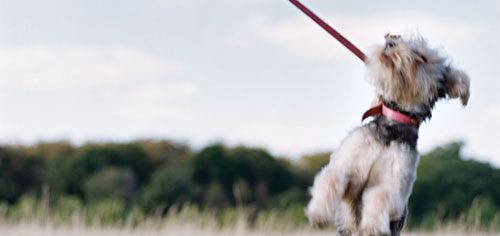
Q: I’ve tried everything, but Zoe, my Husky/ Chow cross, continues to pull like a maniac when walking on leash. Please help! —Dragged in Dallas
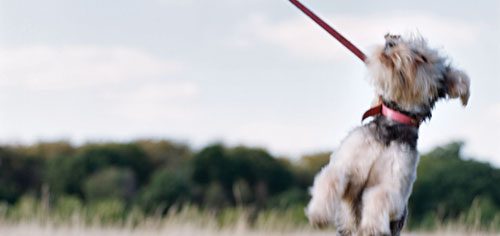
A:Well, the Husky half of Zoe is fulfilling her destiny. For years, Huskies have been bred and trained to pull. So, to be fair to Zoe, I would play some pulling games, which, strangely enough, will facilitate teaching her not to pull on leash.
Put on some running shoes, put Zoe on leash, tell her, “Zoe, Mush” and off you both go. praise her enthusiastically as she pulls you along and then, after 25 metres, say, “Zoe, Steady… steady…. Zoe, sit!” and stop and stand still and wait for her to sit and look up at you. praise her for sitting and paying attention and then tell her to pull again. repeat this sequence over and over until Zoe promptly slows down and sits when requested.
Pulling on leash, which was once an uncontrollable problem that worked against training, may now be used as an effective reward for training Zoe to slow down (“Steady”) and sit and pay attention.
Now it’s time to teach Zoe to walk calmly on a loose leash. The first step is to make sure that Zoe wants to walk by your side without the restraint of a leash. Once Zoe has developed a strong centripetal attraction towards you and wants to follow, leash-walking will be a breeze. First practice indoors. Set up a course and have Zoe follow you around tables, zigzagging between chairs, upstairs, downstairs, in and out of different rooms, and maybe outside and around the garden. Check out http://www.dogstardaily.com/videos/ following-course-home To make things easier for the first couple of days, carry Zoe’s food bowl and periodically hand feed her kibble as she follows you all around the house and garden. Today, Zoe eats on the move. After a week of in-the-house following, practice Zoe’s dinner-time exercise in other fenced (safe) areas, such as, other people’s back yards, tennis courts, and dog parks.
Additionally, when walking Zoe on-leash, actively encourage her to walk by your side and periodically praise and reward her when she does so. Make sure that you repeatedly change your pace and that you stop frequently. Say “Steady” (which she has already learned) and slow down, and then say, “Quickly” and speed up. Alternate “Steady” and “Quickly” as you walk. If you walk at the same pace, Zoe will be more likely to pull. Also, make sure to have frequent stops to have Zoe sit and refocus on you. If you walk without frequent stops, Zoe will most definitely pull on leash. remember, every time that you stop, you may use “let’s Go” as a reward for sitting and paying attention.

Join the newsletter and never miss out on dog content again!
"*" indicates required fields
By clicking the arrow, you agree to our web Terms of Use and Privacy & Cookie Policy. Easy unsubscribe links are provided in every email.
Many of us unwittingly foster separation anxiety in our dogs. Here’s how you can modify your own behaviour to cultivate a healthy sense of security in your dog.