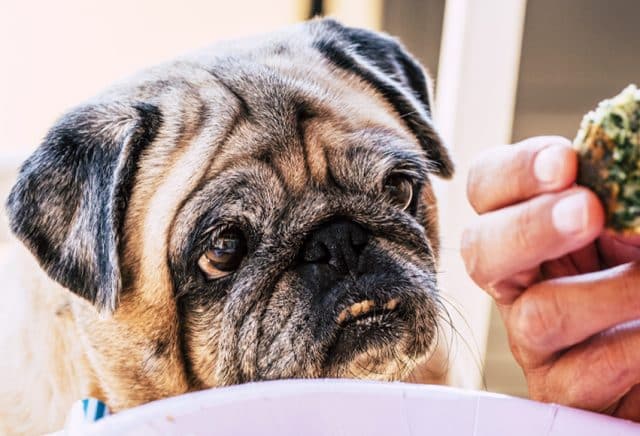
20 “People” Foods for Dogs You Should Share With Your Pup
Can my dog eat that? Human foods, including fruits and veggies, that dogs that are safe for dogs to eat
YUM! It’s no rare fact that most dogs LOVE “people” food. Here’s a list of the top 20 dog-approved human foods, like fruits and veggies, that are safe for your to dog eat. Try introducing these people foods for dogs to increase the variety in your pup’s diet and to give a nutritional boost!
Apples, salmon, pumpkin, beans, yogurt… “Can dogs eat that?” To help you answer this question, we’ve put together a list of dog-approved foods. If you are looking to add a bit of excitement to your dog’s mealtime or for new treat ideas, read on!
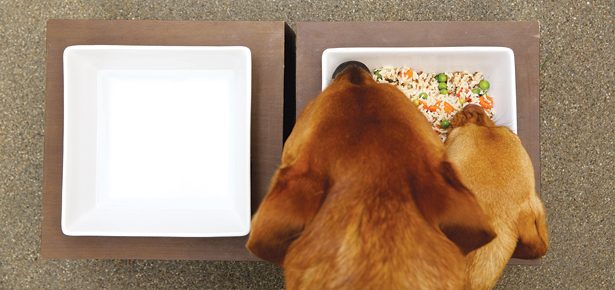
Keep in mind that the people foods listed below should be fed as an extra treat in addition to or as part of a balanced diet. Extra foods shouldn’t make up more than 25 percent of your dog’s diet. Just be sure to try out new foods one at a time until you’re certain that they don’t upset your dog’s stomach.
Here are 20 people foods for dogs that are safe and healthy for your dog to eat. These human foods can be safely added to your dog’s meals (in moderation) to add a bit of variety to her food bowl or given as treats for a nutritional boost.
Can my dog eat that? Read on for a list of human food you can share with your dog:
mizina/Bigstock
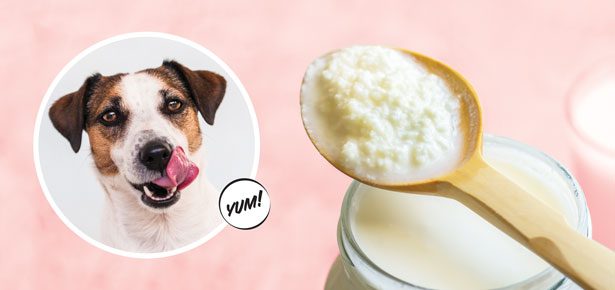
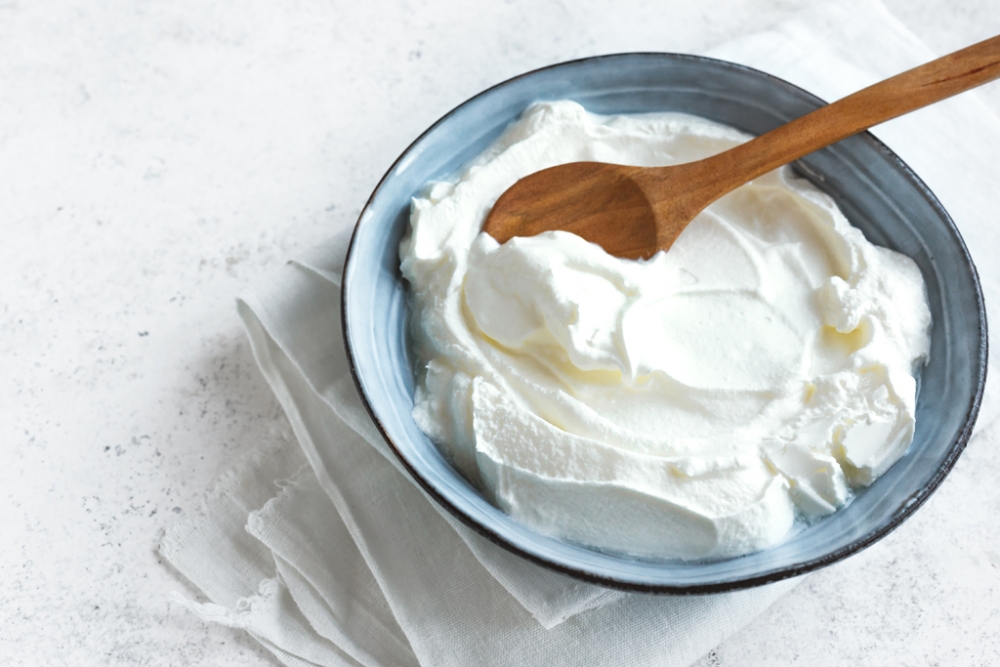
1. Yogurt is a good source of available calcium and protein. When choosing yogurt, pick one that has live active bacteria and no sugars or artificial sweeteners. The active bacteria may act as probiotics. If your pooch is pudgy, make sure that you pick fat-free yogurt but not one that contains fat substitutes (e.g., Simplesse or Olestra). Frozen yogurt is a nice summer treat for dogs.
Vjacheslav-Kozyrev/Bigstock
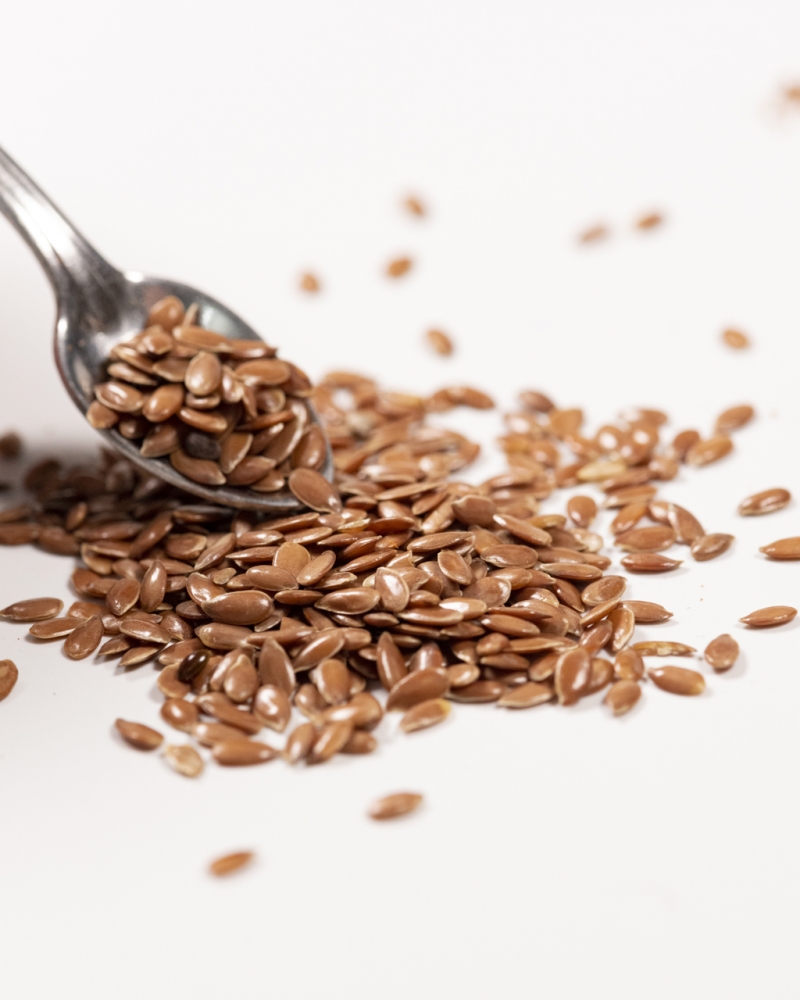
2. Flax seed (ground or oil) is a good source of omega-3 fatty acids, which are essential fatty acids that are good for skin and coat. Whole flax seeds are best if ground right before feeding as this type of fat can go rancid quickly. Flax seed can also be added to your dog’s diet as a source of fibre. Flax oil is a more concentrated form of omega- 3 fatty acids without the fibre. Make sure that you store the oil or seeds in the fridge in an air tight dark container.
New Africa/Bigstock
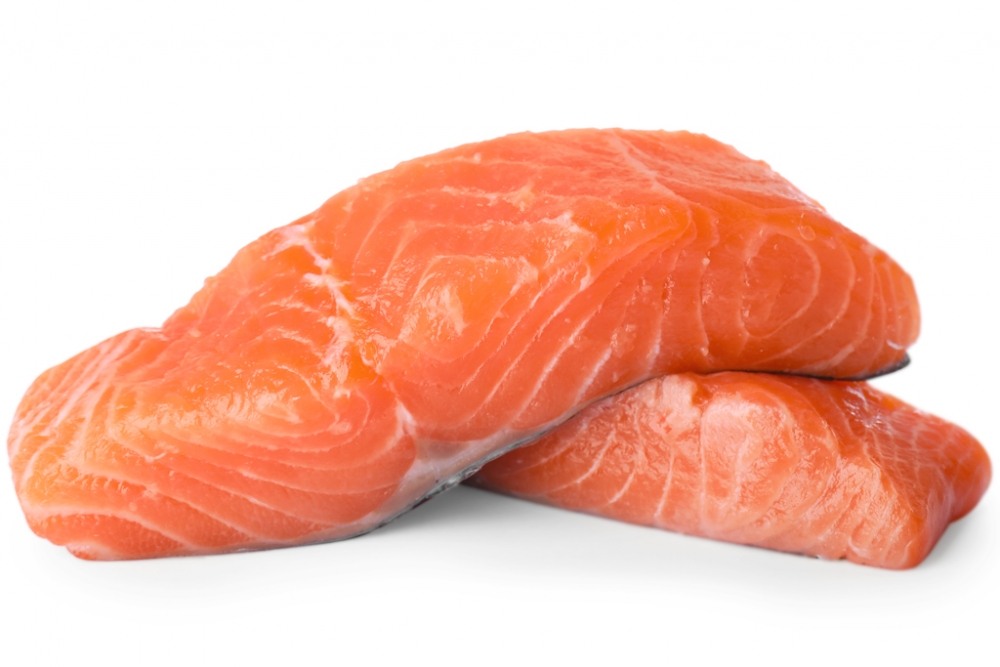
3. Salmon is a fatty fish which is also a good source of omega- 3 fatty acids. These fats support the immune system and can be beneficial for skin and coat health. There has also been some indication that they may benefit dogs with allergies. You can feed salmon or salmon oil. If feeding salmon, make sure it’s cooked before serving, as raw salmon can carry a parasite that can make your dog sick.
Antiqva/Bigstock
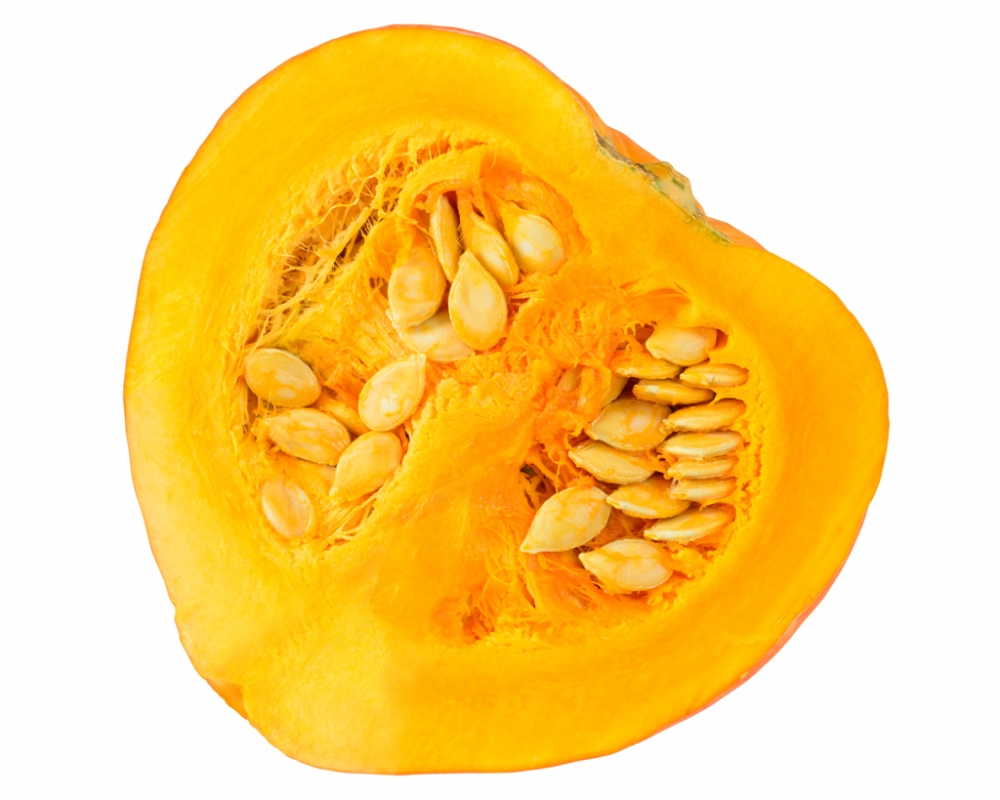
4. Pumpkin is a good source of fibre and beta carotene (a source of vitamin A). Dogs need fibre in their diet. The current trend is towards highly digestible diets that lower stool volume and this is not necessarily a good thing. Keeping the GI tract moving helps keep the cells lining the gut healthy.
bluewren08/Bigstock
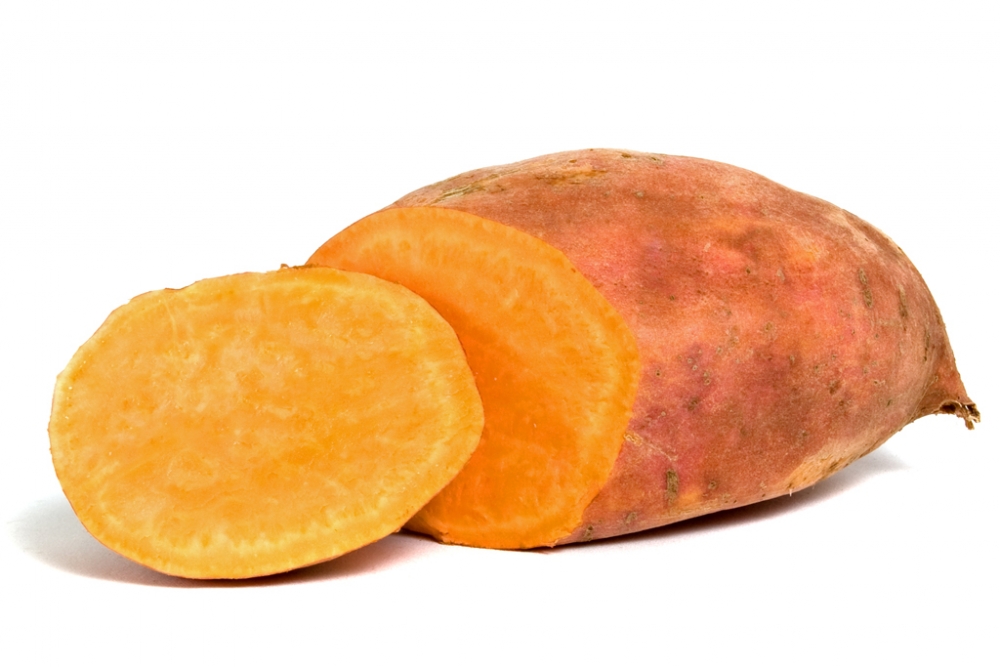
5. Sweet potatoes are another source of dietary fibre and contain vitamin B6, vitamin C, beta carotene, and manganese. Sweet potatoes are great sliced and dehydrated as a chewy treat for your dog. There are so many dog treats on the market that we often overlook the simple, healthy, and reasonably priced treats available at our grocery store.
NetPix/Bigstock
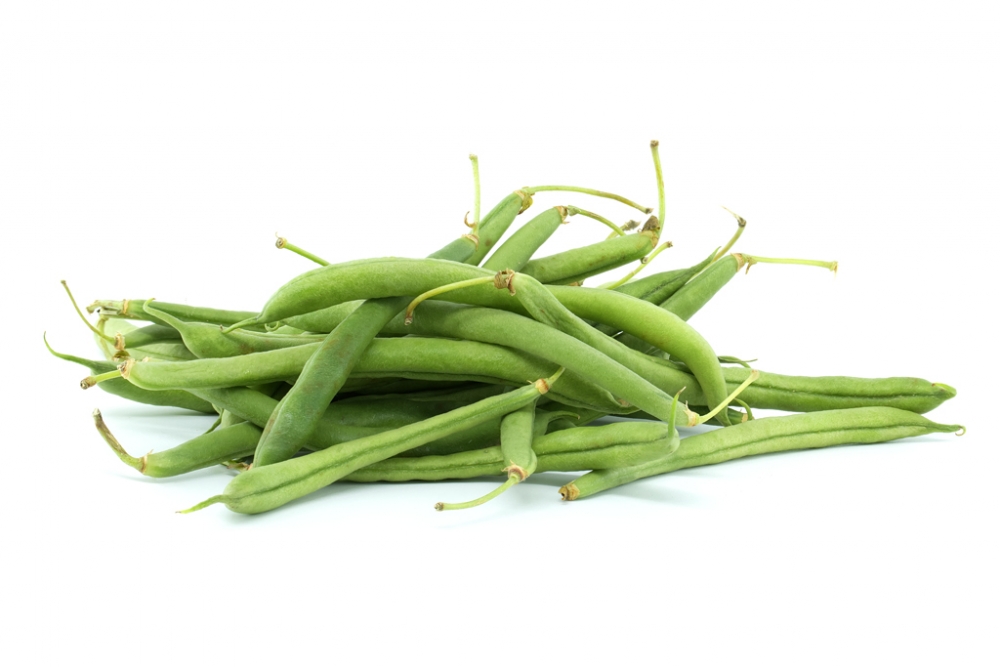
6. Green beans are a good source of plant fibre, vitamin K, vitamin C, and manganese. If your dog has a tendency to put on weight, then replacing some of her regular food with green beans is a great low calorie way to fill her up and help her maintain a healthy weight. Many dogs enjoy green beans frozen.
Volff/Bigstock
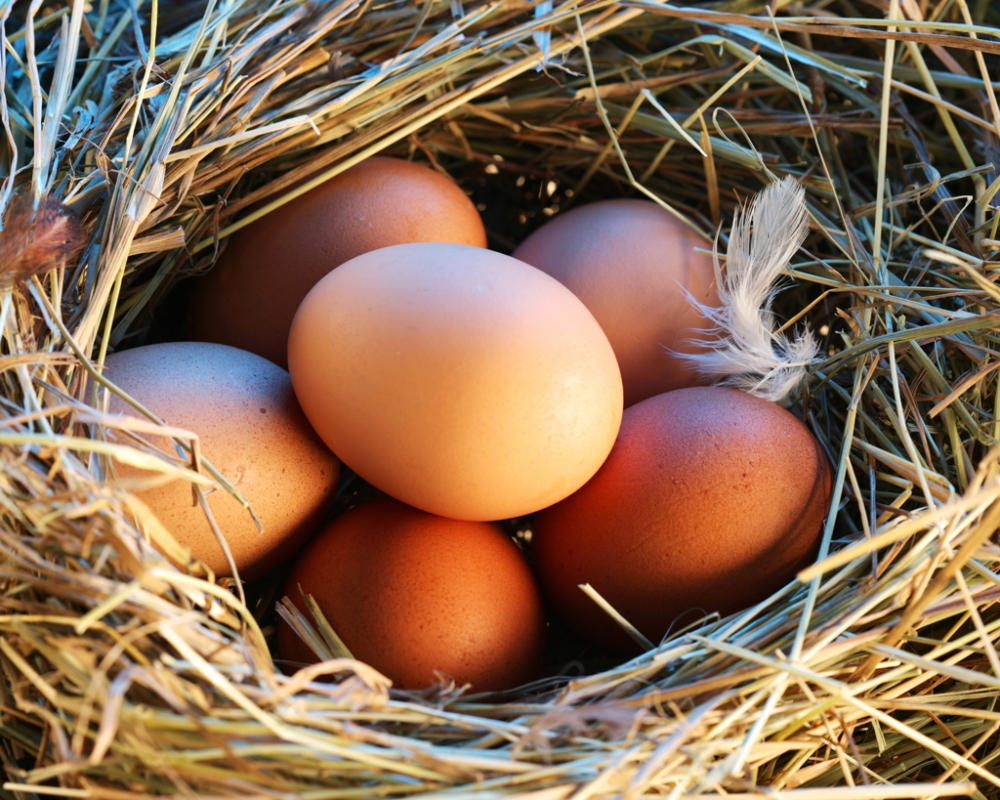
7. Eggs are a great source of very digestible protein, riboflavin, and selenium. For some dogs that are prone to digestive upset, eggs can give them a little protein boost. Adding eggs to your dog’s food is a healthy treat. Make sure to use cooked whole egg, as raw egg whites can cause biotin deficiency. If you do a lot of training with your dog, consider taking cooked eggs to your next class as training treats.
New Africa/Bigstock
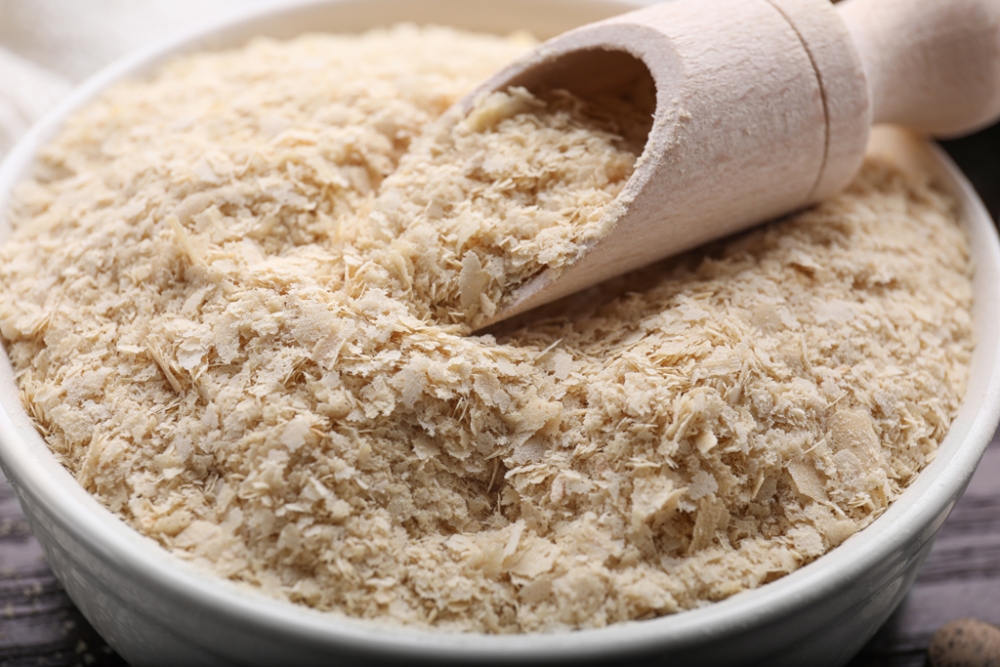
8. Brewer’s yeast is the yeast that’s left over from making alcohol. Dogs seem to really enjoy the tangy taste of brewer’s yeast. It’s full of B vitamins which are good for skin, coat, and carbohydrate metabolism. Make sure you’re using brewer’s yeast (available at health food stores), not baking yeast which will make your dog sick. Brewer’s yeast can spice up your dog’s appetite. Just sprinkle a little on the food of a picky eater and watch her dive into her food.
Goods-Earn/Bigstock
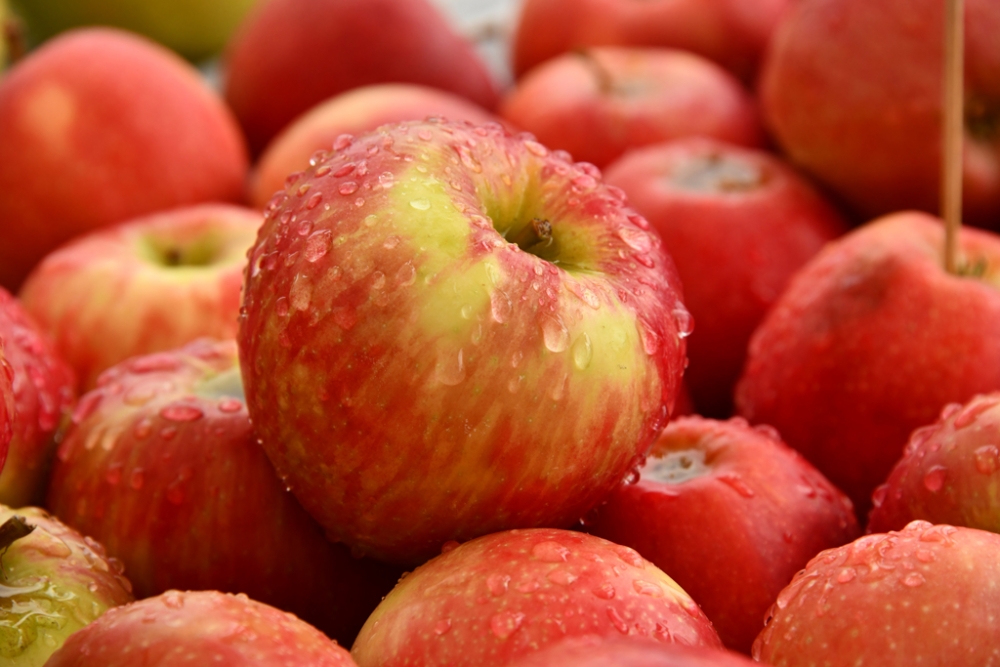
9. Apples are wonderful crunchy treats for your dog. Apples with the skin on are full of plant chemicals (phytonutrients) that are thought to be protective against some types of cancer in humans. They are a source of vitamins A and C and fibre. Apple seeds, however, contain cyanide so your dog should not be allowed to eat the core. Though the effects of a few apple seeds will likely not harm your dog, the deleterious effects can accumulate over time if allowed to eat apple seeds regularly. To safely feed your dog apples, slice the apples into smaller pieces and make sure no seeds are present in the pieces you’re giving your dog. Another good idea is to start in small quantities so your dog can become accustomed to a new ingredient in their diet.
innakreativ/Bigstock
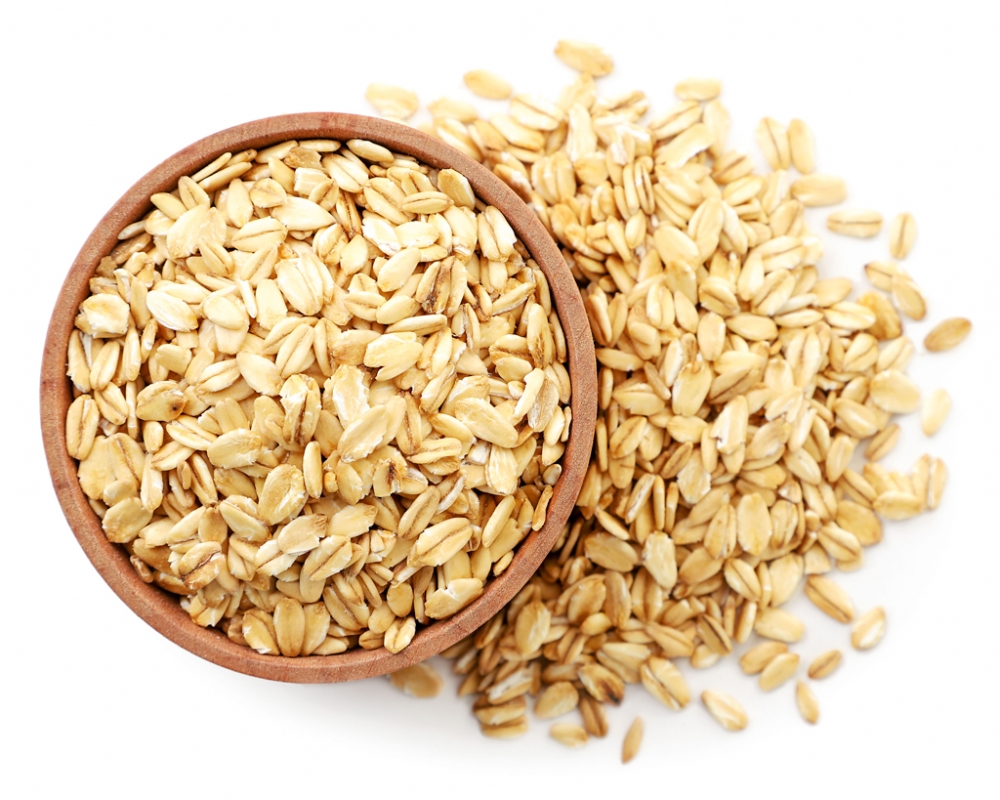
10. Oatmeal is a good source of soluble fibre. This can be beneficial for some older dogs that may have trouble maintaining bowel regularity. Oatmeal is also an alternative source of grain for dogs that are allergic to wheat. It can be fed in conjunction with probiotics to enhance their function. Keep in mind oatmeal should always be fed cooked and plain with no sugar or flavouring. As always, check with your veterinarian before making any major changes to your dog’s diet, especially if they are on any medications. Upsetting the vitamin and mineral balances in your dog’s diet can have negative effects on your dog’s health and some medications interact badly with some nutrients. The aim of most dog owners is to give their dogs the best diet possible. Good nutrition coupled with a health care program may result in extending your dog’s life by as much as 15 percent. The suggestions above are not meant to replace your dog’s normal, balanced diet. Rather, they are ideas for alternative treats or for adding a little variety to your dog’s meals.
Ambient Ideas LLC/Bigstock
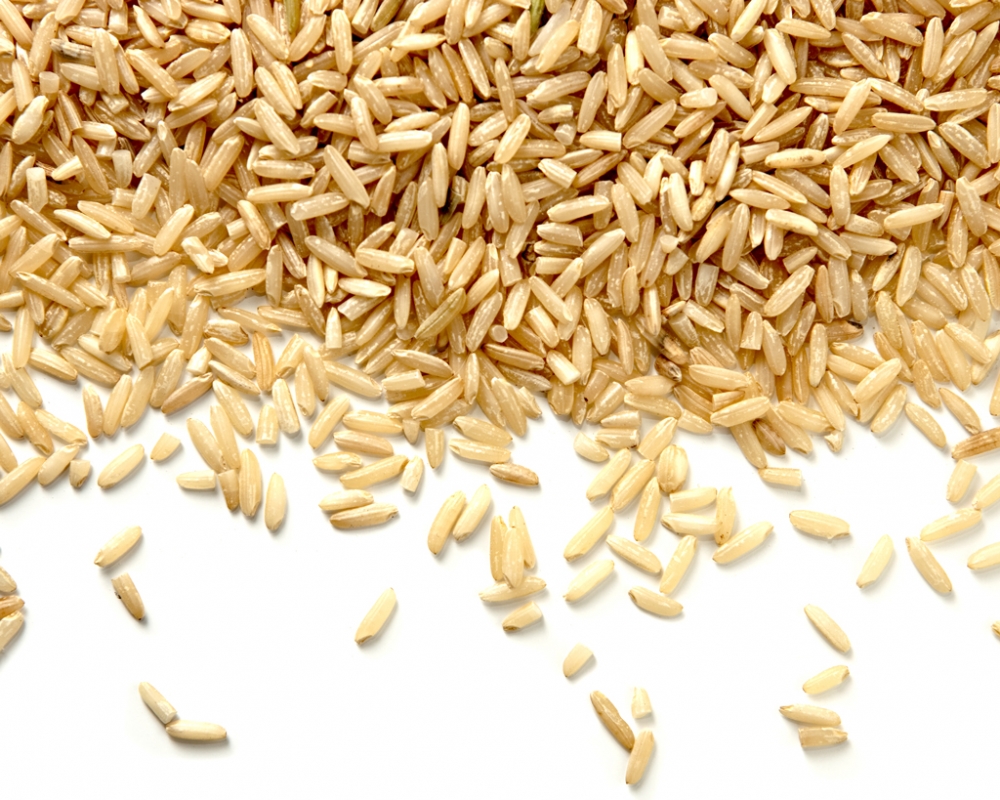
11. Rice is good to feed when your dog has an upset tummy and needs a bland meal. There are a variety of different types of rice. Brown rice is a little higher in protein and a little lower in fat when compared to white rice. White or instant rice is an easily digestible carbohydrate which makes it a good source of energy when your dog has an upset tummy or if you are feeding an older dog.
mayakova/Bigstock
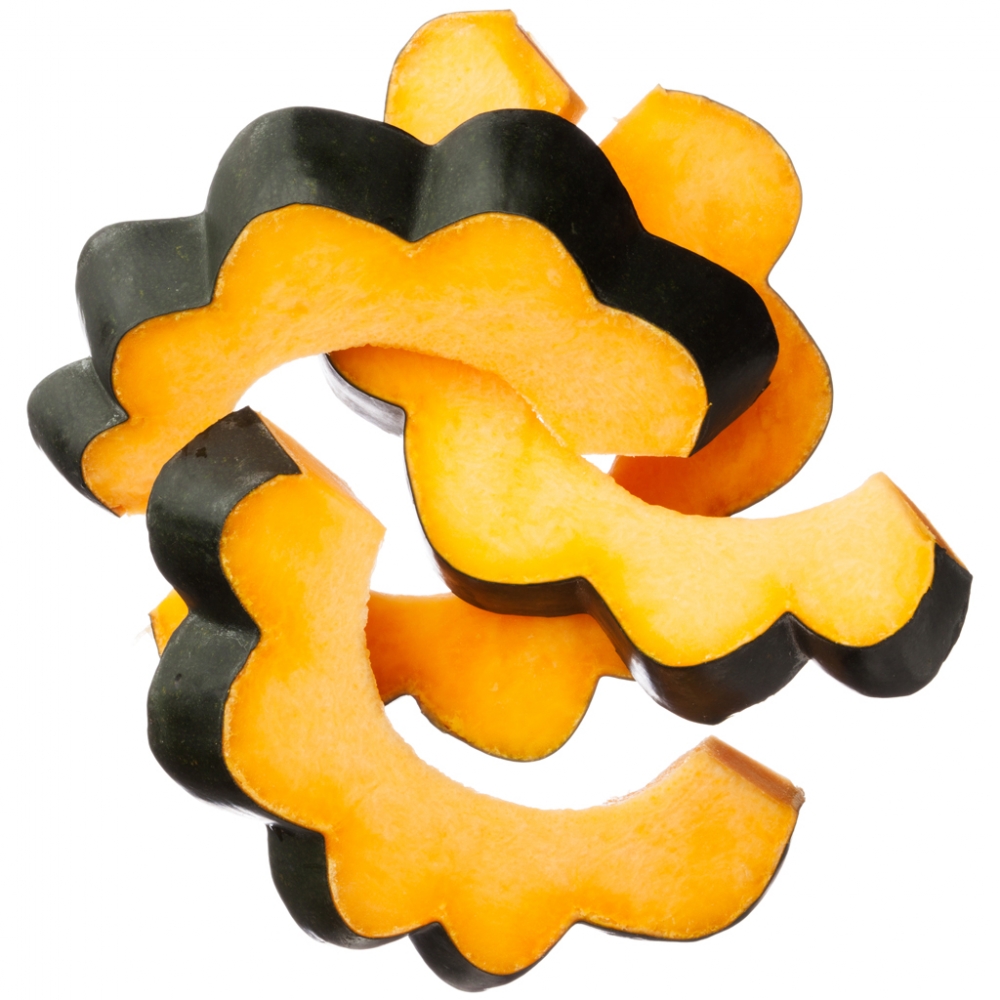
12. Squash, like pumpkin, can be added to bulk up his stool and is a good source of betacarotene (provitamin A). Hint: remove the seeds and then slice and freeze the squash to make it a fun, crunchy snack for your dog.
5-second/Bigstock
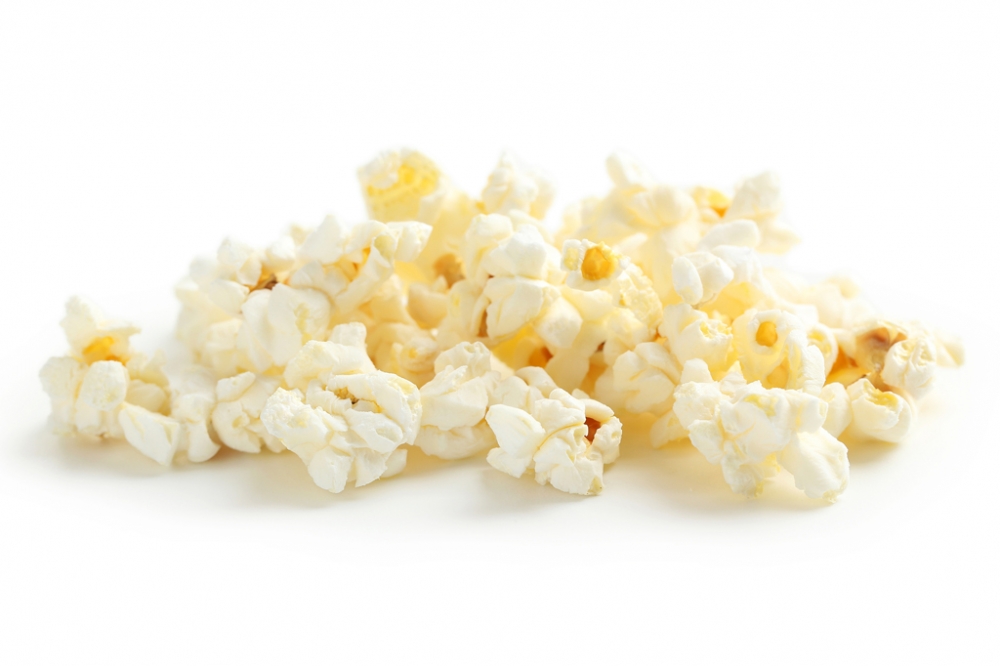
13. Popcorn that has been air popped with no butter or salt is a great low calorie treat for your dog. Popcorn contains potassium as well as the bone-building minerals phosphorous, magnesium, and calcium. So snuggle up and share that popcorn with your furry friend next time you watch a movie.
Kasia2003/Bigstock
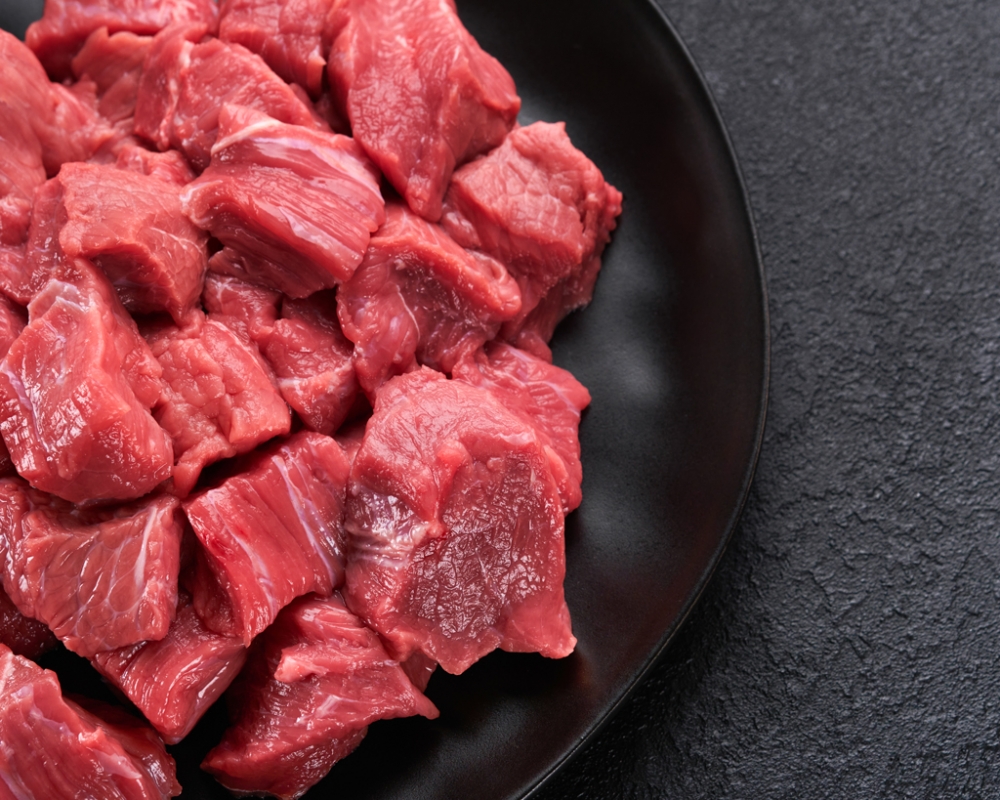
14. Lean Meat (chicken, beef, or pork) with no visible fat and no added sauces or seasonings can be a great training treat or can add a bit of good-quality extra protein to your dog’s diet. Lean meat is an excellent, balanced source of amino acids, the building blocks of muscle in your dog’s body. Meat is also a great source of B vitamins (Thiamin, Riboflavin, Niacin, Pantothenic acid, Pyridoxine, and Cobalamine). These vitamins are involved in energy metabolism in the body.
Fabrikasimf/Bigstock
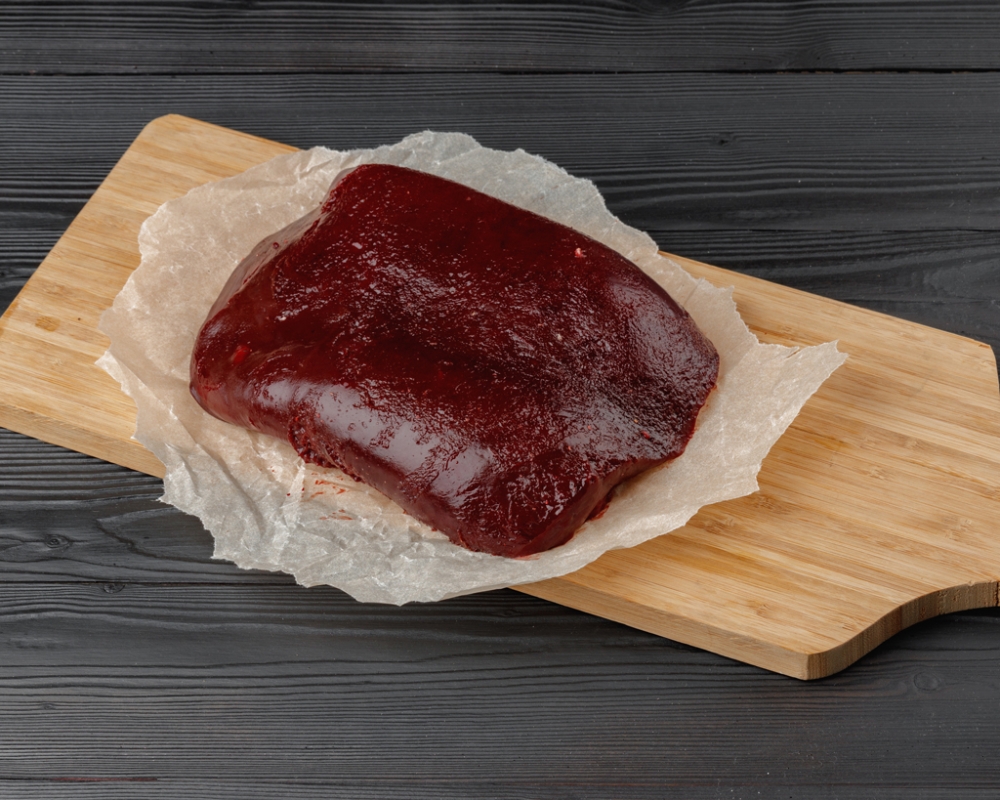
15. Liver is available freeze-dried in most pet stores and it is a great training treat. You can also buy it fresh in the grocery store to feed at home. Fresh liver can be cooked and then baked to make your own liver treats. Liver is an excellent source of B vitamins (Thiamin, Riboflavin, Niacin, Pantothenic acid, and Folic acid), Vitamin A, and Vitamin K. It is also a great source of iron. Warning: Too much liver may be toxic to dogs because of its high vitamin A content. Therefore, it is best to limit the amount of liver fed to your dog to not more than 1 g of fresh liver/Kg body weight per day.
Bigc-Studio/Bigstock
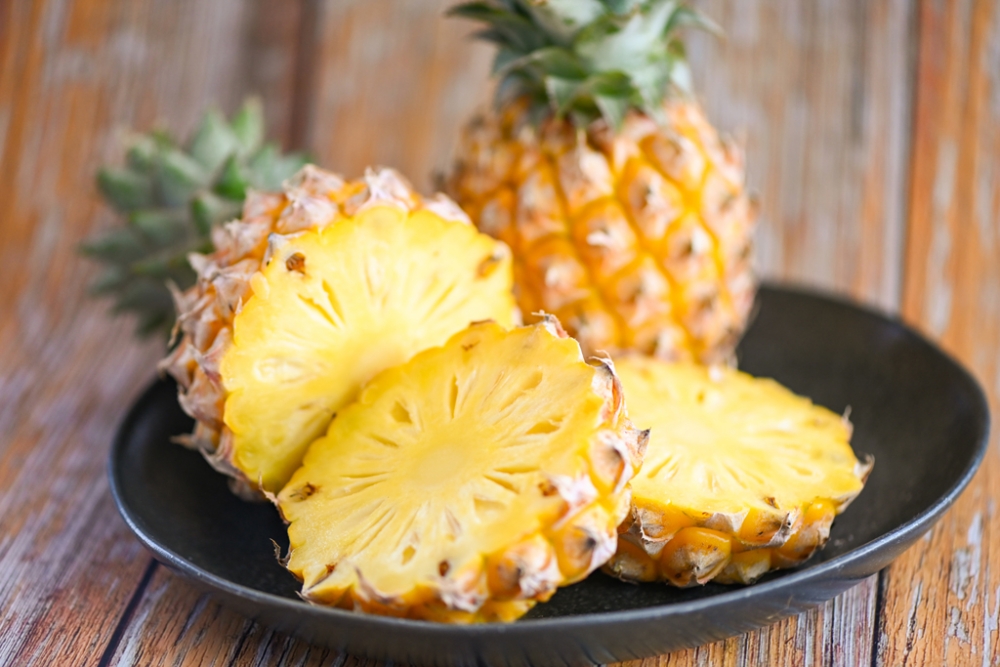
16. Pineapple can be a special treat for your dog. Pineapple contains mostly sugar but it also contains calcium and potassium. Frozen pineapple can be a fun summer treat for your dog.
Alkarnasia/Bigstock
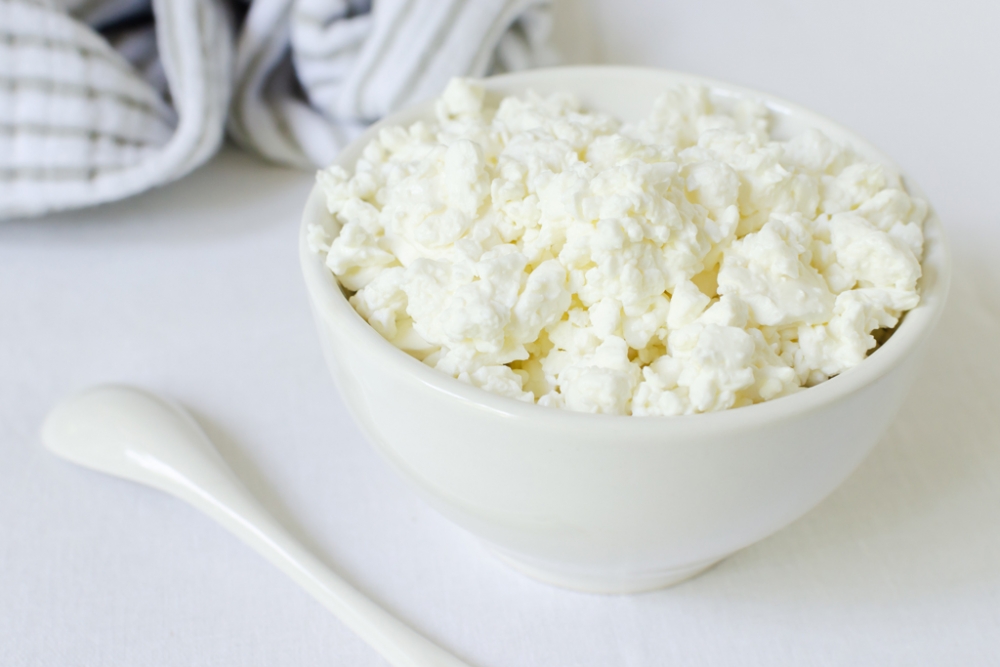
17. Cottage Cheese is high in protein and calcium and it’s fairly bland, so it can be a good way to add some extra protein to your dog’s diet. Though much lower in lactose tha milk, cottage cheese is still a dairy product and some dogs don’t do well with dairy, so make sure you start with just a small amount to prevent stomach upset.
Scis65/Bigstock
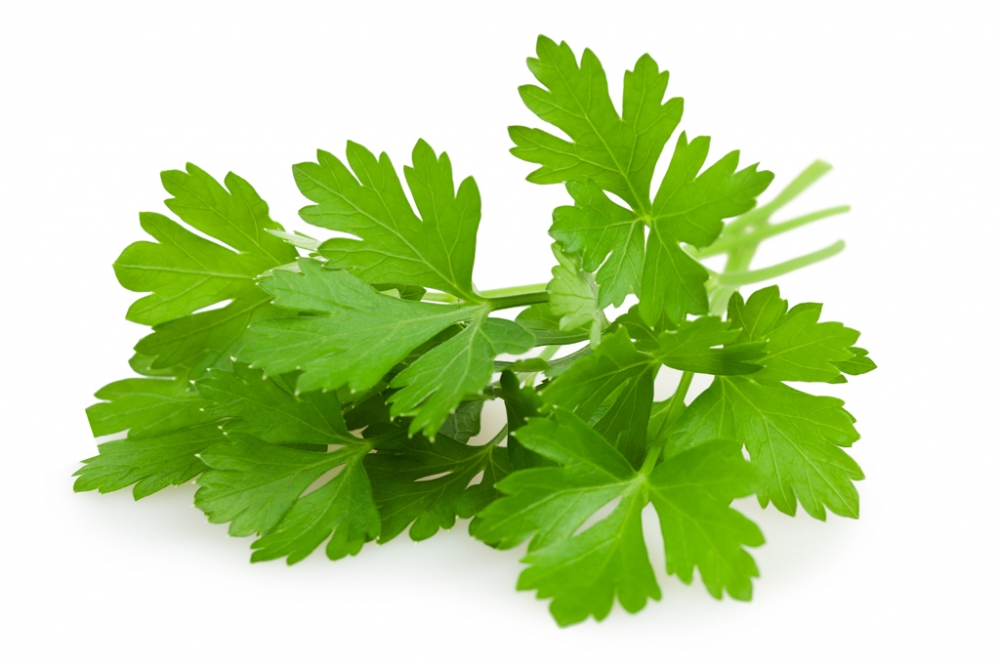
18. Parsley has long been known to improve doggie breath, so next time you are baking treats for your dog, try adding a few tablespoons of chopped parsley for added flavour and colour. Parsley can also be a good source of calcium, potassium, and beta-carotene, and si safe for dogs to eat.
etorres69/Bigstock
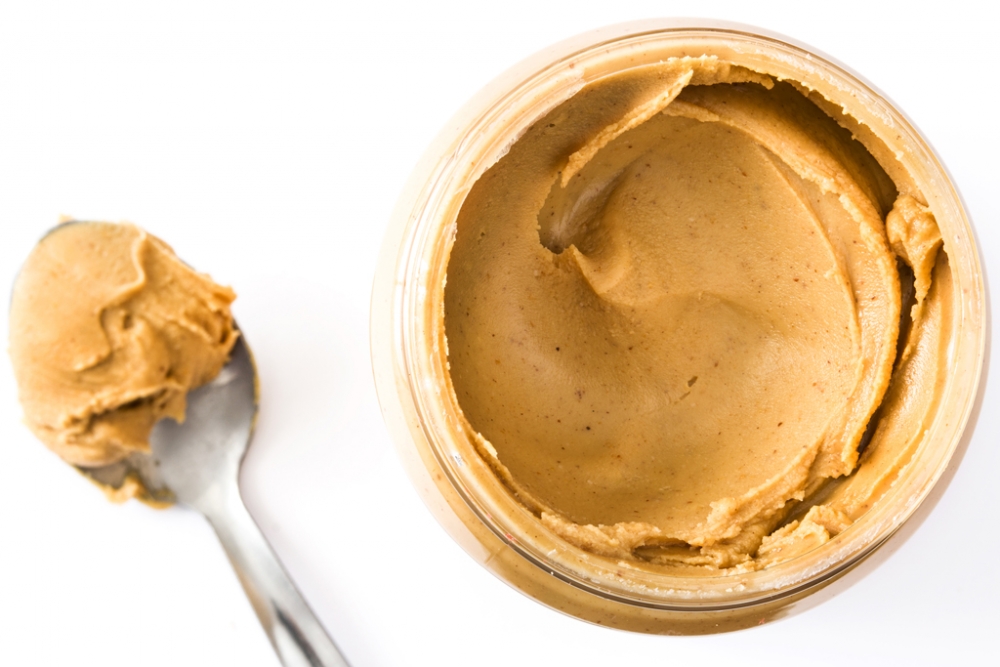
19. Peanut Butter is a healthy, high-protein treat for dogs. Try smearing some inside or on one of your dog’s toys, or let him lick out the container when it’s almost finished. Buy a natural peanut butter to treat your dog with, and check how much sugar is added beforehand, since processed sugars aren’t good for your dog’s health overall. If your dog is weight-watching, be careful of the frequency you give your pup peanut butter, since this tasty treat is also high in calories. Also, make sure your peanut butter doesn’t contain xylitol, which is toxic to dogs!
kivitimof/Bigstock
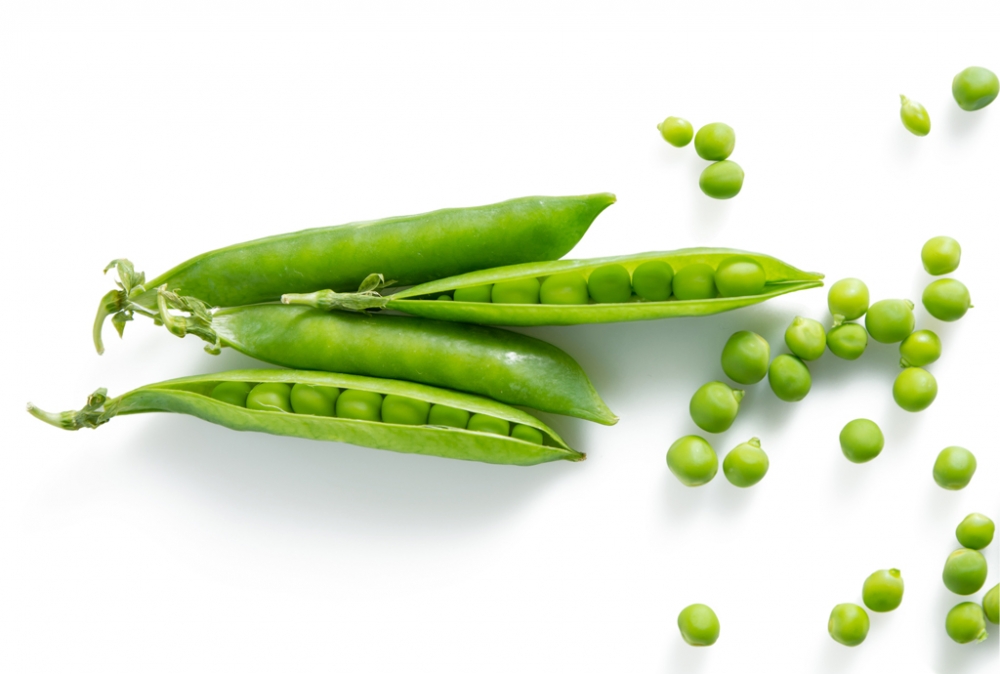
20. Peas can be added right to your dog’s food, frozen or thawed. Peas are a good source of the B vitamin Thiamin, phosphorous, and potassium.
Bonus Ideas! Modern Dog Editor Picks:
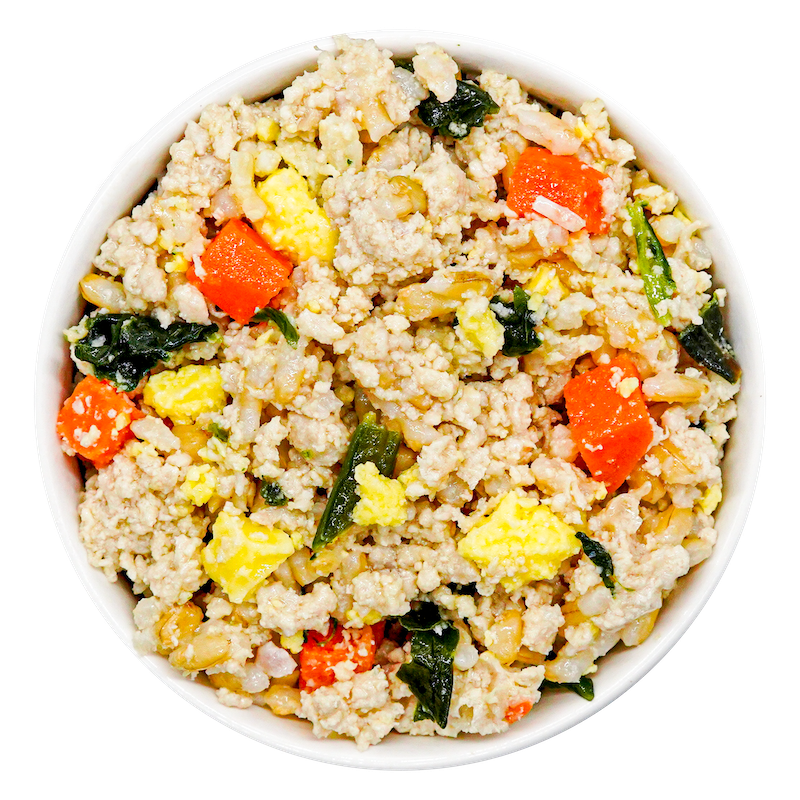
Fresh-made food. We tried it. Your dog will LOVE this food. Feeding our dogs healthy, balanced meals is extremely important for their health and wellness but busy schedules can prevent us from making them ourselves. Try Nom Nom, delivering fresh, pre-portioned, nutritious meals to fit any dog’s diet.—Ed.
Read Next > Worried that your dog has food allergies? Check out Food Allergies in Dogs.
*We promote only the best information and products for our readers, some of which give Modern Dog a small amount when you purchase. Thank you for your support!

Join the newsletter and never miss out on dog content again!
"*" indicates required fields
By clicking the arrow, you agree to our web Terms of Use and Privacy & Cookie Policy. Easy unsubscribe links are provided in every email.